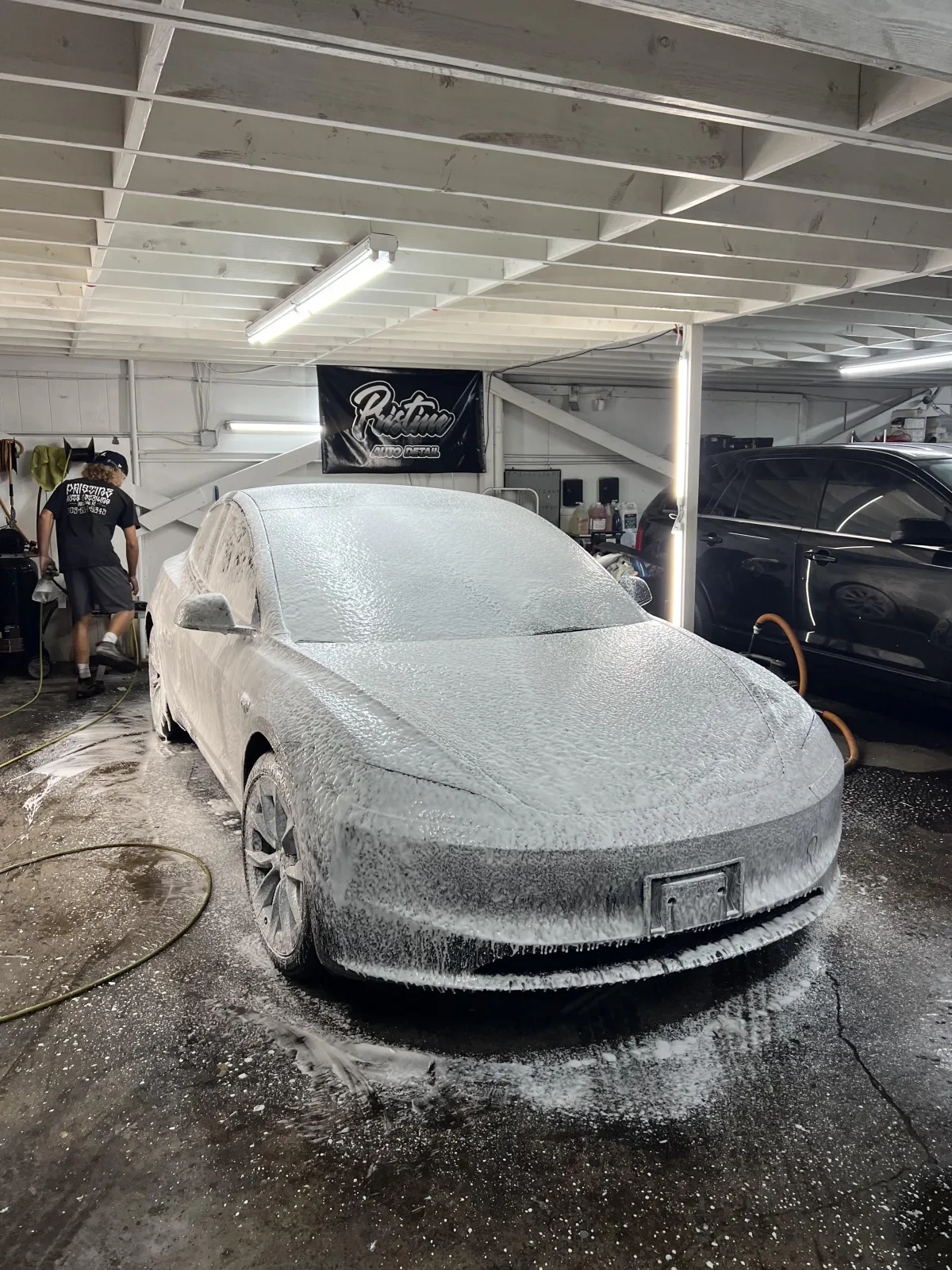
How Often Should You Detail Your Car in Honolulu?

How Often Should You Detail Your Car in Honolulu?
By Pristine Auto Detail | Honolulu, HI | Auto Detailing Tips
It's one of the most common questions we hear at Pristine Auto Detail: "How often should I actually be getting my car detailed?"
The honest answer is that it depends. It depends on where you live, how you drive, where you park, what's living in your back seat, and what kind of protection your paint currently has. There's no single schedule that works for every vehicle and every owner.
What we can tell you is this — living in Honolulu changes the math significantly compared to what you might read in a generic detailing guide written for someone in Ohio. Hawaii's climate is genuinely harder on vehicles than most places in the country, and the detailing schedule that keeps a car in perfect condition on the mainland often isn't enough here.
This guide breaks down exactly how often you should be detailing your car based on your specific situation — your climate, your driving habits, how you store your vehicle, and what protection it currently has.
Why Hawaii Requires a Different Standard
Before we get into schedules, it's worth understanding why Honolulu specifically demands more attention than most places.
UV intensity. Hawaii receives some of the strongest ultraviolet radiation in the United States. UV rays are the primary cause of clear coat breakdown, paint fading, and oxidation. A vehicle sitting in the sun in Honolulu deteriorates faster than the same vehicle in Seattle or Chicago. If you've ever seen an older car in Hawaii with chalky, faded paint, that's UV damage doing its work over years of insufficient protection.
Salt air. Living on an island surrounded by ocean means salt air is a constant. Salt accelerates oxidation on paint, causes corrosion on unprotected metal surfaces, and works its way into every crevice of your vehicle over time. The closer you live or park to the coastline, the more aggressively this affects your vehicle.
Heat. Honolulu's consistent heat accelerates the breakdown of interior surfaces — dashboards crack, leather dries out, plastic becomes brittle, and odors develop faster in a hot cabin. It also affects exterior protection products like wax and sealant, causing them to break down more quickly than they would in cooler climates.
Tropical rain and mineral-rich water. Frequent tropical rain sounds like it would keep your car clean, but it actually leaves mineral deposits behind as it evaporates on your paint. Over time these create water spots that etch into the clear coat and require polishing to remove.
Red dirt. If you spend any time on the North Shore, Waianae, or anywhere near unpaved roads in Hawaii, you know about the red volcanic soil that gets into everything. It stains paint, fabric, and carpet and requires proper treatment to remove without causing scratches.
The bottom line: whatever detailing schedule you've read about elsewhere, plan to be more attentive here in Hawaii. Your vehicle will thank you for it.
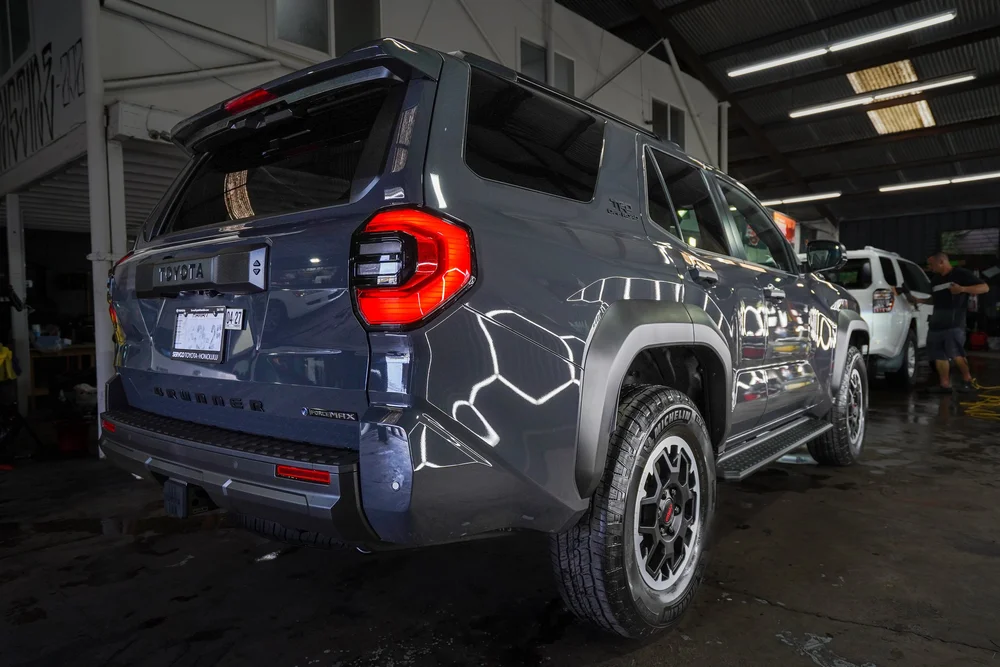
The Right Detailing Schedule Based on Your Situation
If You Drive Daily in Honolulu Traffic
Daily drivers in Honolulu accumulate grime faster than people realize. Stop-and-go traffic means more exhaust residue on the paint. Parking outdoors means constant UV exposure. Running errands means the interior takes a beating from groceries, food, drinks, and everyday life.
Our recommendation for daily drivers:
Wash: Every 1–2 weeks. Regular washing is your first line of defense against surface contamination building up and bonding to your paint.
Full interior detail: Every 3–4 months. Daily use accumulates grime, odors, and buildup faster than occasional-use vehicles.
Full exterior detail: Every 3–4 months to maintain paint protection and address any contamination the regular washes miss.
Full Pristine Detail (interior and exterior): Every 4–6 months as a complete reset.
Wax or sealant (non-coated vehicles): Every 6–8 weeks. Hawaii's heat and UV break down wax faster than cooler climates.
Daily drivers are the vehicles that benefit most from a consistent schedule because the buildup happens gradually and becomes expensive to address when ignored too long.
If You Have Kids or Pets in the Car
Kids and pets are the single biggest accelerators of interior deterioration. Crumbs work into seat seams and become mold in Hawaii's humidity. Pet hair embeds into carpet fibers at a depth a regular vacuum can't reach. Spilled drinks soak into seat cushions and create odors that only get worse in the heat. Muddy paws track in contaminants that grind into carpet with every trip.
Our recommendation for vehicles with kids or pets:
Full interior detail: Every 2–3 months. This is not negotiable if you want to stay ahead of odors, staining, and embedded debris.
Pet hair removal add-on: Consider adding this to every interior detail appointment. At $100, it's far cheaper than letting embedded pet hair become a permanent feature of your upholstery.
Exterior detail: Every 3–4 months — kids and pets affect the exterior too, from handprints to mud tracked across door sills.
If you've let the interior go for a while, don't be embarrassed — we've seen everything. But do book sooner rather than later. Odors and staining that get addressed at 3 months are much easier to treat than the same issues at 18 months.
If You Park Outdoors in Honolulu
Outdoor parking in Honolulu is one of the toughest environments for a vehicle's paint and interior in the country. You're dealing with direct UV exposure for hours every day, bird droppings that etch into clear coat within hours in the heat, tree sap and pollen from overhead vegetation, and rain that leaves mineral deposits every time it evaporates.
Our recommendation for vehicles parked outdoors:
Wash: Every 1–2 weeks minimum. Bird droppings especially need to be addressed quickly — in Hawaii's heat, they can etch into clear coat in as little as a few hours.
Full exterior detail: Every 3 months. More frequent than garage-kept vehicles because the paint is fighting environmental damage constantly.
Wax or sealant: Every 6 weeks on non-coated vehicles. UV and heat break down protection faster outdoors.
Interior detail: Every 3–4 months — heat buildup in a parked car accelerates interior surface deterioration and odor development.
The single best investment for outdoor parkers: Ceramic coating. If your vehicle lives outside every day, a ceramic coating dramatically reduces the maintenance burden, provides genuine UV protection, and makes every wash easier. It pays for itself in protection and saved maintenance time over a 2–3 year period.
If You Park in a Garage
Garage storage is the single best thing you can do for your vehicle's long-term condition outside of regular detailing. Shade eliminates direct UV exposure. Protection from rain eliminates water spotting. Cooler temperatures slow the breakdown of interior surfaces and protection products.
Our recommendation for garage-kept vehicles:
Wash: Every 2–4 weeks. Even garage-kept vehicles accumulate dust and contaminants.
Full exterior detail: Every 6 months. With UV and rain protection, your paint holds up significantly better.
Full interior detail: Every 6 months. The cooler interior temperature slows odor development and surface wear.
Wax or sealant: Every 8–10 weeks on non-coated vehicles. Products last longer without constant UV and heat exposure.
Full Pristine Detail: Twice a year is typically sufficient to keep a garage-kept vehicle in excellent condition.
Even with a garage, the times your vehicle is on the road — especially near the coast or on salt-exposed roads — mean professional detailing is still important. You're just on a more forgiving schedule than outdoor parkers.
If You Have a Ceramic Coating
If your vehicle has a professional ceramic coating applied by Pristine Auto Detail or another reputable installer, your maintenance schedule looks different from an uncoated vehicle. The coating does a significant amount of the protective work for you — but it still requires care to perform at its best.
Our recommendation for ceramic-coated vehicles:
Wash: Every 2–4 weeks using a pH-neutral soap that won't degrade the coating. Avoid automatic car washes with brushes — they create swirl marks on the coating surface just like they do on bare paint.
Coating maintenance spray: Every 3–4 months. A ceramic coating-specific maintenance spray tops up the hydrophobic properties and keeps the coating performing optimally between professional services.
Full professional detail: Once a year. A professional inspection, decontamination wash, and coating maintenance service keeps your investment performing at its best.
Coating top-up or reapplication: Depending on the package and product, your coating will eventually need a professional refresh. We'll advise you on timing based on the specific product installed on your vehicle.
The biggest mistake ceramic coating owners make is assuming the coating is completely maintenance-free. It dramatically reduces the work your paint needs — but neglecting it entirely will shorten its lifespan and reduce its performance.
If You're Preparing for a PCS Move
PCS moves are one of the most common reasons we see vehicles come in for detailing here in Honolulu, and the timeline matters more than most people realize. Vehicle shipping inspections require your car to meet specific cleanliness standards, and arriving at the inspection with a vehicle that fails costs you time and stress you don't need in the middle of a move.
Our recommendation for PCS preparation:
Book your Shipping and PCS Detail as soon as your orders are confirmed. Our schedule fills up, especially during peak PCS season, and a last-minute booking adds pressure to an already stressful process.
Book no more than a week before your inspection date so the vehicle is in its best condition at the time of inspection, not two weeks before.
If your vehicle has significant interior or exterior issues beyond standard cleaning, consider booking a full Pristine Detail or adding paint correction services to address them before the inspection.
Our PCS Detail is specifically designed for the shipping inspection process. We know what inspectors look for and we make sure your vehicle is ready.
If You Drive Infrequently or Own a Second Vehicle
Low-mileage vehicles and second cars that sit for extended periods have their own set of detailing needs that many owners overlook. Less driving doesn't mean less deterioration — it often means different kinds of deterioration.
Vehicles that sit develop dust buildup, water spots from sitting in the same spot through rain cycles, interior odors from stagnant air in a hot cabin, and paint issues from extended exposure without the regular washing that removes surface contamination before it bonds.
Our recommendation for infrequently driven vehicles:
Wash: Once a month minimum, even if the car hasn't moved much. Dust and environmental fallout accumulate regardless of mileage.
Full detail: Every 6 months. Even light use accumulates enough to warrant a professional service twice a year.
Wax or sealant: Every 8 weeks. Sitting vehicles still experience UV and environmental exposure.
Interior airing: If possible, let the vehicle air out regularly rather than leaving it sealed in the heat for extended periods.
The Simple Maintenance Schedule at a Glance
If you want a straightforward reference, here's a general schedule that works well for most Honolulu daily drivers:
Every 1–2 weeks: Basic hand wash to remove surface contamination before it bonds.
Every 6–8 weeks: Wax or sealant application on non-coated vehicles to maintain paint protection.
Every 3–4 months: Full interior detail or full exterior detail depending on what needs more attention.
Every 4–6 months: Full Pristine Detail — complete interior and exterior service as a full reset.
Once a year: Professional paint inspection and any correction or protection work needed to address what's developed over the year.
This schedule keeps your vehicle in consistently excellent condition, prevents expensive neglect from building up, and preserves both the appearance and the resale value of your car over time.
The Real Cost of Skipping Details
We get it — life gets busy, budgets get tight, and the car detail keeps getting pushed to next month. But there's a real cost to skipping regular professional maintenance that most people don't think about until they're facing it.
Paint that goes unprotected develops water etching, oxidation, and swirl marks that require paint correction to fix — a service that costs significantly more than the regular detailing that would have prevented it.
Interiors that go uncleaned develop staining that sets permanently into fabric and carpet, odors that require ozone treatment to eliminate, and surface deterioration on leather and plastic that can't be fully reversed.
Vehicles that are poorly maintained sell for less. A car with dull, oxidized paint and a dirty, smelly interior loses thousands of dollars in resale value compared to the same vehicle that's been professionally maintained.
Regular detailing is not an expense — it's maintenance that protects a significant asset. Just like oil changes protect your engine, professional detailing protects your vehicle's finish, interior, and long-term value.
Frequently Asked Questions
How often should I wash my car in Hawaii? Every 1–2 weeks for most vehicles in Honolulu. The combination of salt air, UV exposure, bird droppings, and tropical rain means contamination builds up faster here than in most mainland climates. Regular washing is the simplest and most affordable thing you can do to protect your paint between professional details.
How often does wax wear off in Hawaii? Faster than the mainland. Hawaii's UV intensity and heat break down carnauba wax in as little as 4–6 weeks. We recommend reapplying wax or sealant every 6–8 weeks on non-coated vehicles. Ceramic coating eliminates this problem — it lasts years, not weeks.
Is it bad to detail your car too often? No — as long as the detailing is done correctly with proper technique and professional-grade products. More frequent professional cleaning with the right products is always better than infrequent cleaning with harsh or improper products. The risk of damage comes from bad technique, not from caring for your vehicle regularly.
How long should a detail last? A full interior and exterior detail should keep your vehicle in excellent condition for 3–6 months depending on how you use and store it. Between professional details, regular hand washing and interior maintenance extend the results significantly.
Should I detail my car before or after a long road trip? Ideally both. Before a long drive, a full exterior detail with wax or sealant protection prepares your paint for highway exposure — bugs, road debris, and grime are much easier to remove from a properly protected surface. After a long drive, a full detail removes the contamination that accumulated on the road before it has time to bond and cause damage.
Does a newer car need to be detailed? Yes — and sooner than most new owners realize. New vehicles often leave the dealership with dealer-applied products that aren't true paint protection. Getting a professional ceramic coating on a new vehicle while the paint is in its best condition is the smartest way to protect your investment from day one. The paint will never be in better condition than it is right now.
How do I know when my car needs a detail? A few clear signs: the paint looks dull or lacks depth after a wash, you see swirl marks or haze in direct sunlight, the interior has odors that don't go away with airing out, carpet or seats have visible staining, or it's simply been more than 6 months since your last professional service. When in doubt, bring it in — we offer free inspections at Pristine Auto Detail.
Ready to Get on a Schedule?
Whether you're a daily driver in Honolulu traffic, a military family preparing for a PCS move, or someone who just wants to take better care of a vehicle they love — Pristine Auto Detail is here to help you figure out the right plan and execute it properly.
Complete Exterior Detail — $285 to $310 Complete Interior Detail — $310 to $345 Pristine Detail (Interior + Exterior) — $460 to $515 Shipping / PCS Detail — $275 to $330 Ceramic Coating Packages — $950 to $2,050
Add-Ons: Pet Hair Removal $100 | Headlight Restoration $100 | Spray Ceramic Wax $25 | Paint Polish $100
📞 Call or text us: (808) 272-9864 🌐 pristineautomotivedetailing.com 📍 Honolulu, HI
Book your free vehicle inspection today and let's build a detailing schedule that keeps your car looking its best year-round.
Pristine Auto Detail | Honolulu, HI | How Often to Detail Your Car | Car Detailing Schedule Hawaii | Auto Detailing Honolulu | Ceramic Coating Hawaii
