
UV Paint Damage Simulator

What is Hawaii's sun doing to your paint?

Drag the slider to simulate years of UV damage — then decide if it's worth protecting.
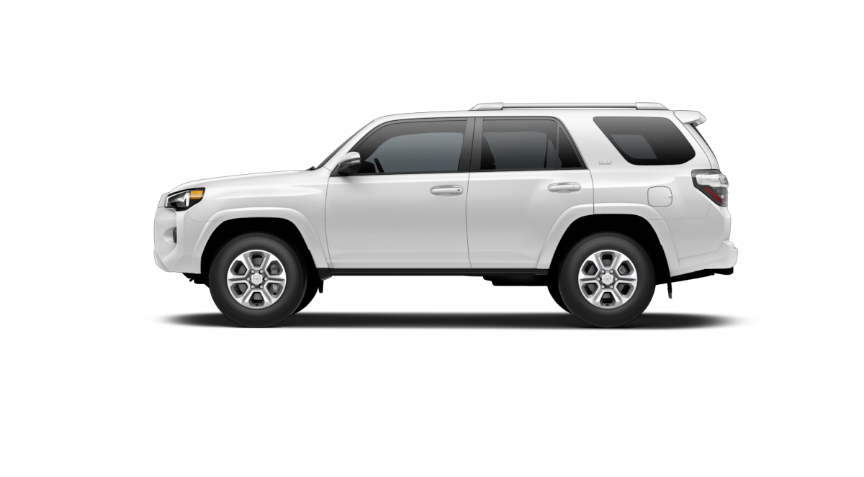
White Toyota 4Runner
UV index: 11 (extreme)
Year 0 — showroom fresh
0 yrs
Clear coat
100%
Gloss level
100%
Oxidation
0%
Resale hit
-$0
Paint health 100% — like new
Drag the slider to see what Hawaii's UV index 11 does to your paint over time.
Protect my paint — book now
UV Paint Damage — Pristine Automotive Detailing Hawaii

Pristine Automotive Detailing — Honolulu, Hawaii

Hawaii is destroying your paint.

UV index 11. Year-round sun. Salt air. Your car is fighting conditions that most mainland vehicles never see. Here's exactly what's happening — and what to do about it.

11
Hawaii's average UV index — rated "Extreme" by the WHO
Faster paint oxidation vs. most US mainland cities
$4K+
Average resale value lost to UV-damaged paint
48hrs
How fast water spots can etch into clear coat in Hawaii heat

Your paint has four layers. UV attacks the first one relentlessly.

Most people think of paint as one thing. It's actually a layered system — and once UV compromises the outermost layer, everything underneath follows.

Clear coat
Transparent protective layer. First to absorb UV radiation. Once gone, fading is permanent.
~50 microns thick
Color coat (base coat)
Where your car's actual color lives. UV causes pigment breakdown and fading here.
~40 microns thick
Primer
Adhesion layer that protects against corrosion. Rarely reached unless damage is severe.
~35 microns thick
Bare metal / substrate
The car body itself. Once exposed, rust begins within weeks in Hawaii's humid air.
Body panel

In Hawaii's climate, clear coat degrades an estimated 2–3x faster than in a typical US city. The combination of direct UV, high humidity, and salt air creates a perfect storm for accelerated paint breakdown.

The insidious part: you can't see clear coat with the naked eye. By the time fading is visible, significant damage has already occurred beneath the surface.

Yr 1
Invisible UV absorption begins
Clear coat starts thinning. No visible symptoms yet, but protection is already reducing.
Yr 2
Micro-marring & early dullness
Gloss starts dropping on horizontal surfaces — hood and roof first. Still recoverable.
Yr 4
Visible fading & chalking
Paint looks flat, chalky to the touch. Water spots begin etching permanently.
Yr 7+
Clear coat failure
Peeling, cracking, and oxidation. Color coat is now exposed. Professional correction or repaint required.

Oxidation is a four-stage death sentence for your paint.

Once oxidation begins, it accelerates. Each stage is harder and more expensive to reverse than the last — until it can't be reversed at all.

Stage 1
Early oxidation
Paint looks slightly less glossy than new. Surface feels smooth. Only detectable under professional lighting.
Fix: Single-stage polish + protection. $150–$300.
Stage 2
Light chalking
Visible dullness in direct sunlight. White residue on a cloth when you wipe the paint. Color appears washed out.
Fix: Paint correction + ceramic coating. $400–$800.
Stage 3
Heavy oxidation
Paint is clearly faded and chalky to the naked eye. Color coat is partially compromised. Surface may feel rough or gritty.
Fix: Multi-stage correction required. $800–$1,800.
Stage 4
Clear coat failure
Paint is peeling, cracking, or flaking. Clear coat has separated from base coat. Cannot be corrected — only replaced.
Fix: Panel repaint. $1,500–$6,000+.

Gloss isn't just cosmetic. It's how you measure paint health.

Detailers measure gloss in GU (gloss units). The difference between a protected car and an unprotected one after five Hawaii summers is dramatic.

Protected car (ceramic coated)
~92 GU after 5 years
Unprotected car (Hawaii sun)
~34 GU after 5 years
New car (factory finish)
~95 GU — showroom fresh
Severely faded (10 yrs unprotected)
~10 GU — chalky/flat
60
GU is the threshold where paint visibly appears dull to the average person — no expertise needed to notice
2–3×
Faster gloss degradation in Hawaii vs. Pacific Northwest cities like Seattle or Portland
90%
Of gloss loss is from UV — not washing, not driving, not dirt. Pure sun exposure is the culprit.

Paint condition is the first thing buyers notice — and price for.

Showroom condition paint+$0 impact
Minor fading (1–2 yrs)-$800 avg
Moderate oxidation (3–5 yrs)-$1,800 avg
Heavy oxidation (6+ yrs)-$3,200 avg
Clear coat failure-$5,000+ avg
$4,200
Average resale value lost to paint neglect over 10 Hawaii years

A ceramic coating costs $300–$800. A full paint correction + respray costs $3,000–$6,000. The math is not complicated — protecting your paint now is one of the highest-return investments you can make on your vehicle.

In Hawaii specifically, buyers are acutely aware of sun damage. A visibly oxidized car flags years of deferred maintenance — even if mechanically the car is perfect.

This isn't a mainland paint problem. It's a Hawaii paint problem.

The conditions in Honolulu are uniquely brutal for automotive paint. This is why mainland detailing advice often isn't enough here.

UV11
Extreme UV year-round
Hawaii sees UV index 10–12 for most of the year. Most mainland cities rarely exceed 8 in peak summer.
85°F
Surface temps above 160°F
On a typical Honolulu day, dark-colored car hoods can reach 160–180°F. Heat accelerates every chemical reaction in your paint.
Salt
Ocean salt air
Salt particles in the air are mildly acidic and bond to paint surfaces. Combined with UV, they accelerate oxidation and micro-etching.
365
No seasonal break
Mainland cars get 4–5 months of winter where UV index drops below 3. Hawaii cars get none. It's 365 days of UV assault.

UV index by city

Honolulu, HI
11
Phoenix, AZ
10
Miami, FL
9
Los Angeles, CA
7
New York, NY
6
Seattle, WA
3

Average peak summer UV index. Year-round average for Hawaii remains extreme; mainland cities drop significantly in winter.

What actually works against Hawaii UV.

Not all protection is equal. Here's an honest breakdown of every option — what it does, how long it lasts, and what it costs.

🧴
Wax
Traditional carnauba or synthetic wax. Creates a thin sacrificial layer over clear coat. Better than nothing — but barely.
  • UV protection Minimal
  • Lifespan in Hawaii 4–6 weeks
  • Cost $50–$150
  • DIY friendly Yes
🛡️
Paint sealant
Synthetic polymer that bonds to clear coat. Significantly better UV resistance than wax. Good entry-level professional protection.
  • UV protection Moderate
  • Lifespan in Hawaii 3–6 months
  • Cost $150–$350
  • DIY friendly Moderate
🎬
Paint protection film
Physical urethane film applied to high-impact areas. Self-healing, bulletproof against rock chips. Often paired with ceramic coating for maximum protection.
  • UV protection High
  • Lifespan in Hawaii 5–10 years
  • Cost $1,500–$6,000
  • DIY friendly No — pro install

Stop letting Hawaii
steal your paint.

We've protected hundreds of vehicles across Honolulu. Book your appointment today — shop drop-off or mobile service, we come to you.
Hours: Everyday 9am – 5pm

© 2026 Pristine Automotive Detailing I Powered by Evix.Ai

Copyright © 2026. All rights reserved.